BONNIE RAITT REPORTEDLY CONSIDERING LEGAL ACTION AFTER CONTROVERSIAL LIVE TELEVISION COMMENTS SPARK WIDESPREAD DEBATE
What began as a routine television discussion has reportedly grown into one of the most talked-about stories among music fans and entertainment observers.
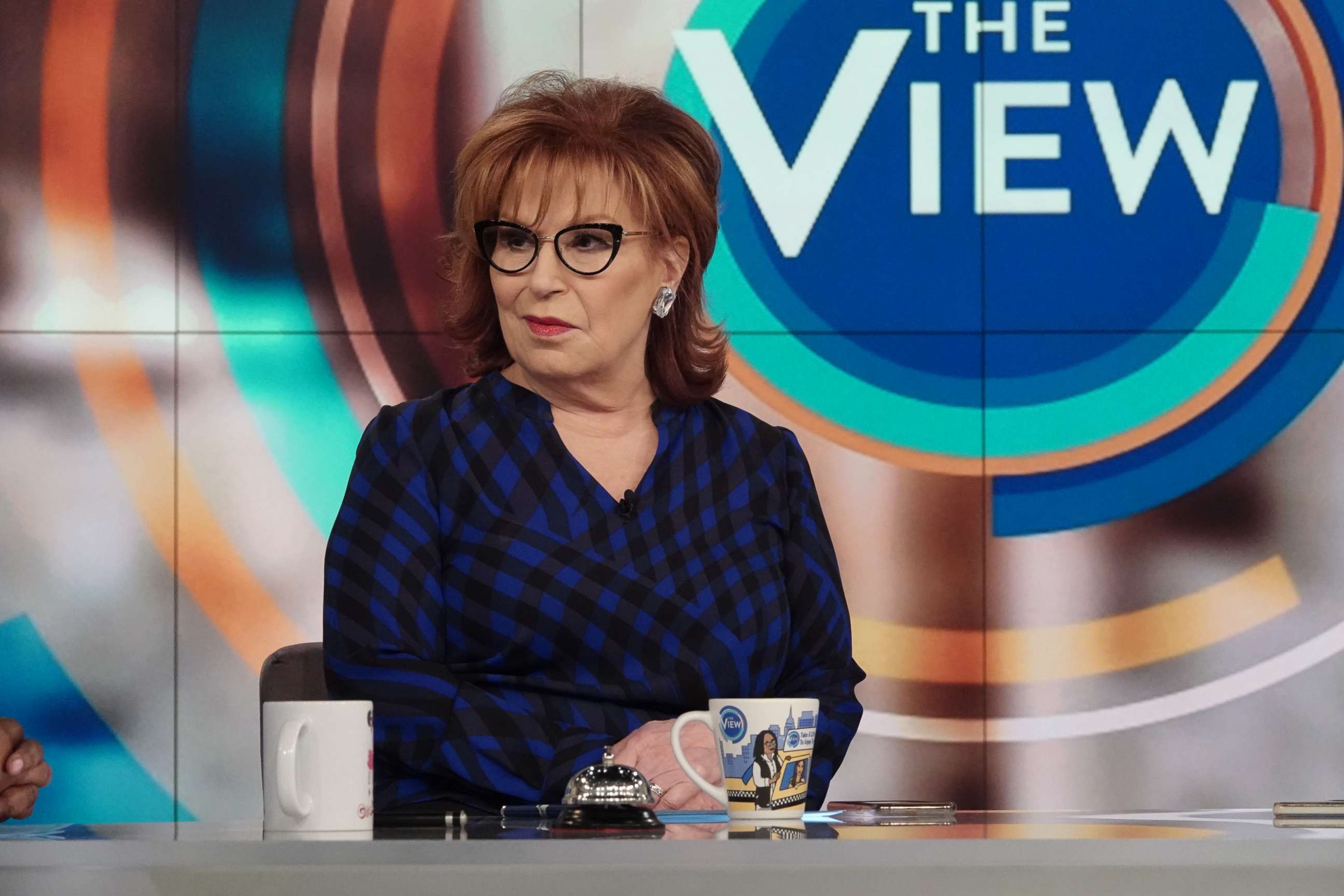
According to emerging reports and sources close to the situation, Grammy-winning singer-songwriter Bonnie Raitt is said to be considering legal action following comments made during a live television broadcast that allegedly portrayed her in a negative and misleading light.

While details remain limited and official statements have not yet clarified the full scope of the matter, the story has quickly generated intense discussion online. Fans, media commentators, and longtime supporters of the legendary artist have all weighed in, raising questions about the responsibilities of television hosts, the limits of public commentary, and the challenges celebrities face in protecting their reputations in the modern media landscape.
For many people, Bonnie Raitt is far more than a successful musician.
She is an artist whose career has spanned decades, earning respect not only for her musical talent but also for her authenticity, humility, and commitment to social causes. With numerous Grammy Awards, millions of records sold, and a reputation built on honesty and integrity, Raitt has long been regarded as one of the most respected figures in American music.
That reputation is precisely why the reported controversy has attracted so much attention.
Sources claim that comments made during a nationally televised segment left Raitt feeling that her character and intentions had been unfairly represented. According to those reports, individuals close to the singer believe that the discussion crossed the line from opinion into potentially harmful mischaracterization.
Supporters argue that public figures should be open to criticism but should also be treated fairly and accurately.
“Bonnie has spent her entire career earning the trust of audiences through her work, her values, and her actions,” one source reportedly stated. “When statements are made before millions of viewers, accuracy matters.”
As the story spread across social media platforms, reactions began pouring in from fans around the world.
Many supporters expressed concern about what they viewed as a growing trend in modern media, where strong opinions and provocative commentary often generate attention faster than careful analysis. Others suggested that the situation reflects a broader cultural debate about how television programs discuss public figures.
At the same time, some observers urged caution, noting that only limited information has been publicly confirmed and that many reports rely heavily on anonymous sources.
Regardless of where individuals stand, the controversy has once again highlighted how quickly a televised discussion can evolve into a national conversation.
For Bonnie Raitt, public respect has always been one of the defining features of her career.
Unlike many celebrities whose careers have been fueled by controversy, Raitt built her legacy through music, live performances, and a genuine connection with audiences. Her songs have touched generations of listeners, addressing themes of love, loss, resilience, and personal growth.
Fans often describe her as approachable, thoughtful, and refreshingly authentic.
That image has remained remarkably consistent throughout decades of success in an industry where public perception can change overnight.
Because of that, reports suggesting that she feels compelled to defend her reputation have resonated strongly with many supporters.
Some legal experts commenting on similar situations in recent years have noted that defamation cases involving public figures can be difficult to pursue successfully. Public personalities generally face a higher legal standard than private citizens when attempting to prove reputational harm.
Still, legal analysts also acknowledge that every case depends on its specific facts, context, and evidence.
If legal action were ultimately pursued, many believe the case could spark renewed discussion about the balance between free expression and responsible broadcasting.
Television hosts and commentators play an important role in public discourse. At the same time, those who appear on major platforms reach millions of viewers and can significantly influence public perception.
That reality has become even more important in the digital age.

Today, a single television segment can be clipped, shared, reposted, and discussed across countless social media accounts within minutes. Comments made during a live broadcast often continue generating attention long after the original program has ended.
As a result, public figures frequently face challenges in responding to narratives that spread rapidly online.

Supporters of Raitt argue that individuals should have meaningful opportunities to address statements they believe are inaccurate or unfair. Others maintain that robust public discussion inevitably includes criticism and disagreement.
The debate is unlikely to disappear anytime soon.
Meanwhile, Bonnie Raitt’s fans continue focusing on the accomplishments that made her a beloved figure in the first place.
Throughout her remarkable career, she has remained dedicated to her craft, consistently delivering performances that showcase her extraordinary talent and emotional depth. Her influence extends far beyond commercial success, inspiring generations of musicians and earning admiration from peers across multiple genres.
For many supporters, those achievements speak louder than any controversy.
They point to decades of artistic excellence, charitable work, and professional integrity as evidence of the values that have defined her career.
Whether the reported legal discussions ultimately result in formal action remains to be seen.
At this stage, much of the conversation continues to be driven by reports, speculation, and commentary rather than confirmed legal filings. As additional information becomes available, observers will undoubtedly watch closely to see how the situation develops.
What is already clear, however, is that the story has captured significant public attention.
It has sparked conversations about media accountability, celebrity reputation, public criticism, and the responsibilities that come with influential platforms.
Most importantly, it has reminded many people of the enduring respect Bonnie Raitt continues to command after decades in the spotlight.
In an era where public opinion can shift rapidly and headlines change by the hour, maintaining a positive reputation for generations is no small achievement.
For Bonnie Raitt, that reputation has been built over a lifetime.
And for many of her fans, it is a legacy worth defending.
As the story continues to unfold, supporters around the world will undoubtedly remain attentive, hopeful that the truth—whatever it may ultimately reveal—receives the same level of attention as the controversy itself.