VIRAL DISCUSSIONS ABOUT BONNIE RAITT SPARK A NATIONAL DEBATE ABOUT LEADERSHIP, CULTURE, AND AMERICA’S FUTURE
What began as a simple online conversation has quickly evolved into a much larger national debate.
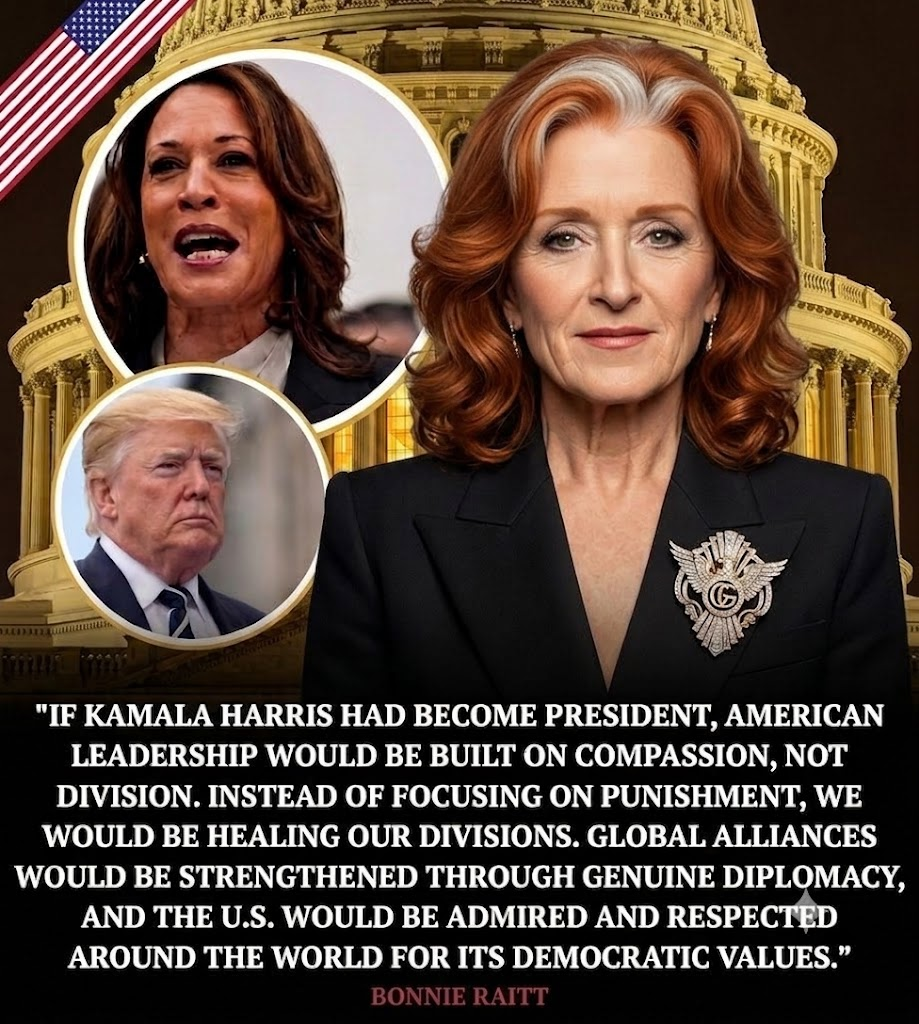
In recent days, legendary singer-songwriter Bonnie Raitt has found herself at the center of a viral discussion that is spreading across social media platforms, news forums, and fan communities throughout the United States. The topic is not a new album, a concert tour, or an award-winning performance. Instead, it revolves around a provocative question that has captured public attention:
What might America look like today if Kamala Harris had become president instead of Joe Biden?
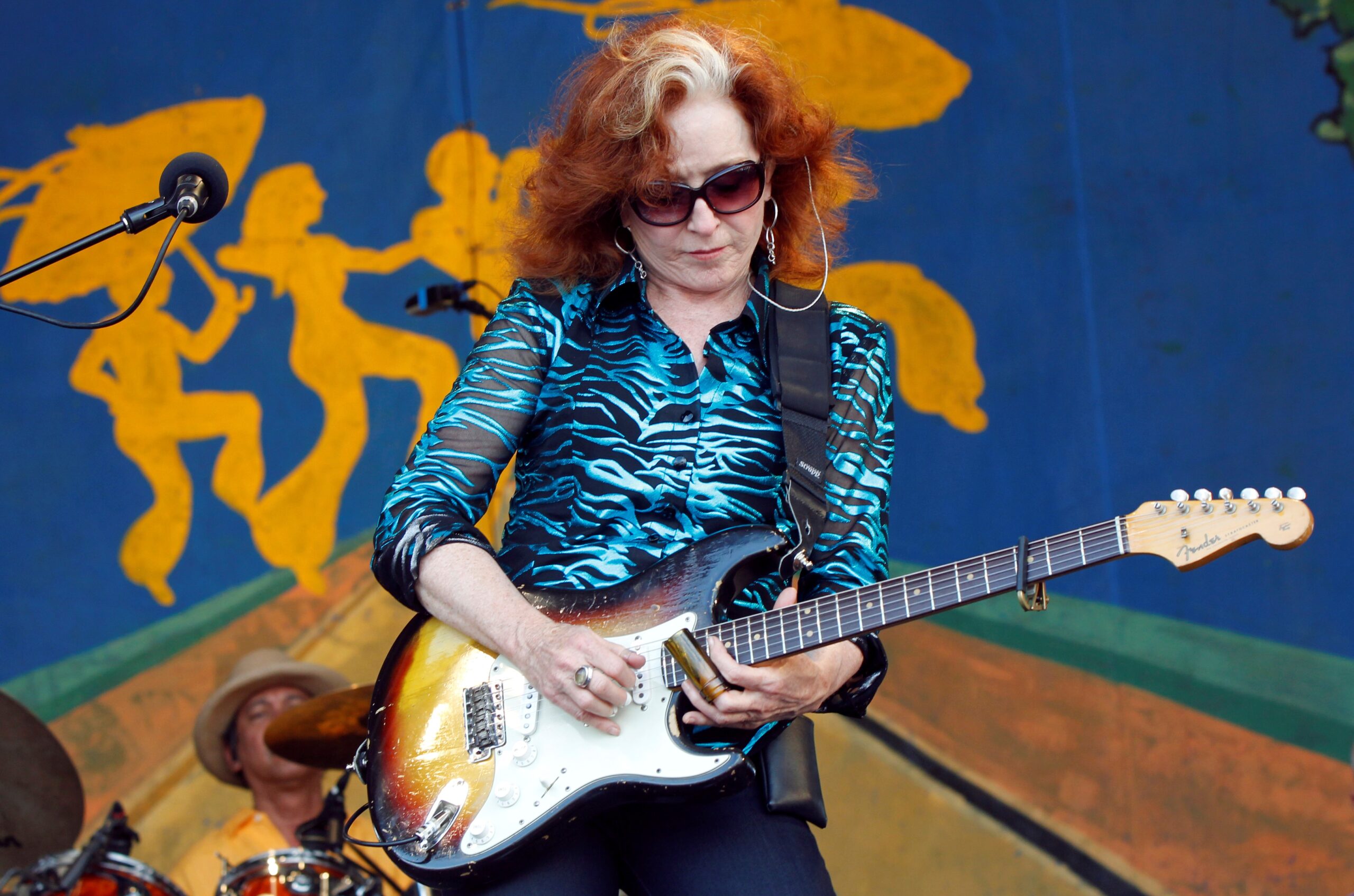
The question itself has generated intense reactions from every corner of the political spectrum. Yet what has surprised many observers is how Bonnie Raitt’s name became intertwined with the conversation.
For decades, Raitt has been recognized not only for her extraordinary musical career but also for her willingness to speak about social issues, equality, environmental concerns, and civic responsibility. Her reputation as an artist who combines talent with thoughtful advocacy has made her a symbol for many Americans who believe that public figures can play a meaningful role in shaping cultural discussions.
As the debate spread online, countless fans pointed to Raitt as an example of an artist whose values often align with broader conversations about inclusion, compassion, representation, and community engagement.
The result was an unexpected wave of discussion that rapidly expanded beyond politics.
Many participants argued that leadership influences more than laws and government policies. They suggested that the tone set by national leaders can affect public morale, artistic expression, cultural confidence, and the way citizens view one another.
Supporters of the hypothetical scenario claimed that a different administration could have created different opportunities for conversations about equality, representation, women’s leadership, and social progress.
Others disagreed.
:max_bytes(150000):strip_icc():focal(999x0:1001x2)/bonnie-raitt-110524-tout-590518237559451ca5857e61f2ce7128.jpg)
Critics argued that America’s challenges are far too complex to be reduced to a single political figure or election outcome. Economic trends, global events, international conflicts, technological change, and social dynamics all play important roles in shaping national conditions.
Yet even those who disagreed with the premise acknowledged that the discussion itself revealed something significant about the current moment in American culture.
People are searching for answers.
They are searching for leadership.
And they are searching for ways to imagine a better future.
That may explain why Bonnie Raitt’s name resonated so strongly throughout the debate.
Unlike many celebrities who frequently dominate headlines through controversy, Raitt has spent much of her career building a reputation based on authenticity, consistency, and integrity.
Her music has connected with generations of listeners through themes of resilience, compassion, heartbreak, healing, and perseverance. Songs such as “I Can’t Make You Love Me” and “Something to Talk About” became classics not simply because of their melodies, but because of the emotional honesty behind them.
For many fans, Bonnie Raitt represents something increasingly rare in public life: credibility earned over decades rather than moments.
As social media discussions intensified, supporters repeatedly highlighted that quality.
They argued that artists like Raitt demonstrate how cultural figures can encourage thoughtful dialogue without deepening political divisions.
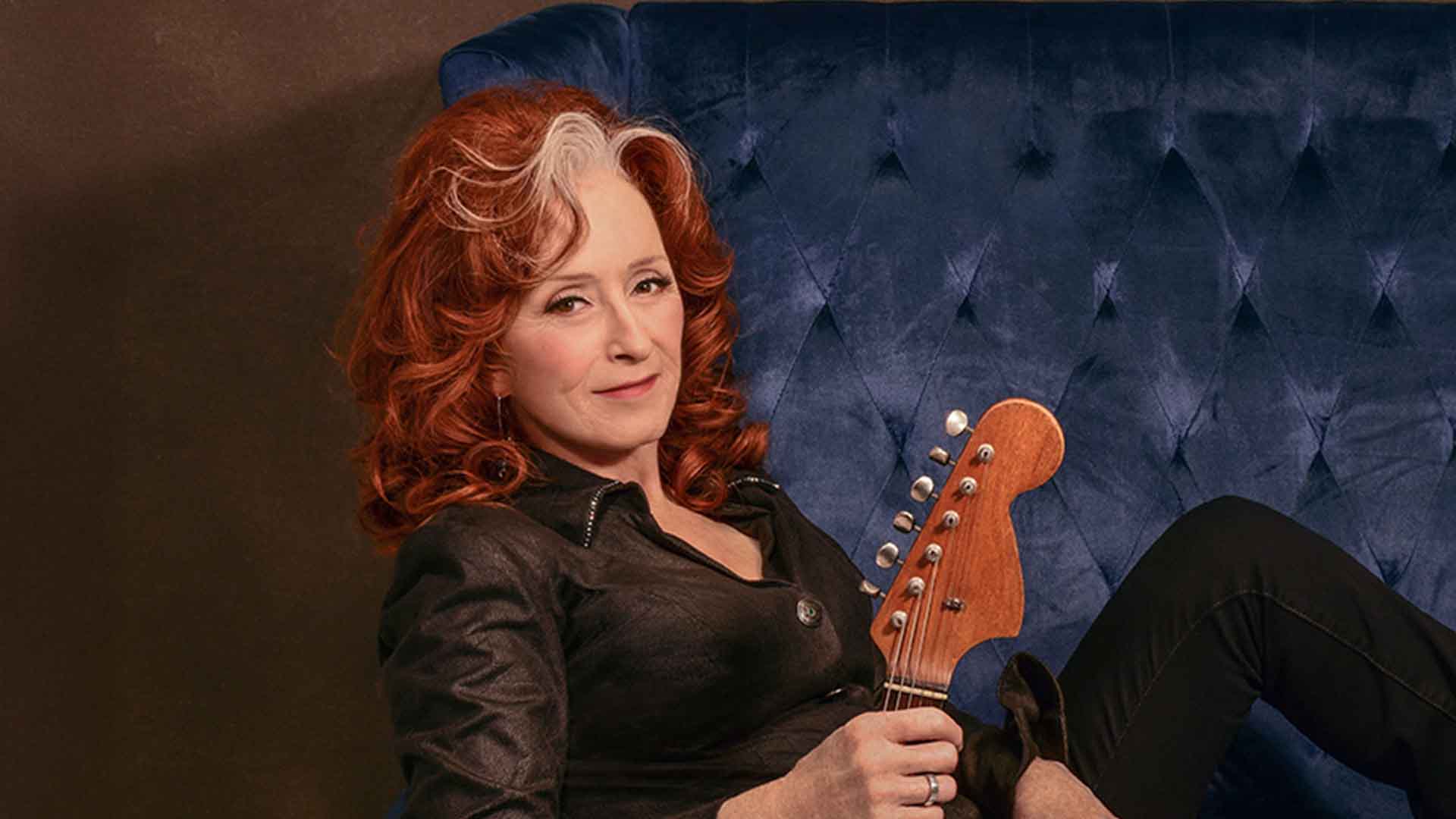
Some users shared clips of interviews in which Raitt discussed empathy, civic engagement, and community responsibility. Others reflected on her decades-long commitment to charitable causes and social advocacy.
The conversation soon expanded beyond politics altogether.
Questions emerged about the relationship between culture and leadership.
Can artists help shape national conversations?
Should entertainers use their platforms to discuss social issues?
Do cultural figures have a responsibility to speak when they believe something important is at stake?
The answers varied dramatically.
Some participants strongly supported celebrity involvement in public affairs, arguing that artists have always played a role in social change throughout history.
Others preferred a clearer separation between entertainment and politics, believing that elected officials—not musicians—should be responsible for addressing public issues.
Despite those disagreements, there was one point that many participants seemed to share.
Leadership matters.
Whether expressed through government, community organizations, businesses, schools, or cultural institutions, leadership influences the environment in which people live and work.
The debate surrounding Bonnie Raitt ultimately became less about one politician and more about broader questions concerning responsibility, influence, and public trust.
Observers noted that much of the conversation reflected growing frustration with polarization.
Many Americans appear increasingly exhausted by constant political conflict.
Instead of focusing solely on partisan victories and defeats, some participants expressed a desire for discussions centered on cooperation, practical solutions, and shared values.
In that context, Bonnie Raitt’s public image seemed especially relevant.
Throughout her career, she has often emphasized humanity over ideology and connection over division.
Fans pointed to those qualities as reasons her name continues to inspire respect across different generations and communities.
As the viral discussion continued gaining momentum, media analysts began examining why it had attracted so much attention.
Some suggested that people were not actually debating a specific political scenario at all.
Instead, they were using the hypothetical question as a way to express deeper hopes, concerns, and frustrations about the direction of the country.
Others argued that the conversation reflected a broader desire for leaders who can unite rather than divide.
In many ways, the debate became a reflection of America itself—diverse, passionate, complicated, and constantly evolving.
What remains undeniable is that Bonnie Raitt’s unexpected role in the discussion demonstrates the lasting influence of cultural figures who have earned public trust.
Even after decades in the spotlight, her voice continues to matter.
Not because she holds political office.
Not because she commands government authority.
But because millions of people see her as someone who has consistently stood for principles she believes in.
As the online debate continues, opinions remain sharply divided regarding what different leadership might have accomplished.
Yet the larger conversation appears likely to endure.
Americans are asking questions about culture.
They are asking questions about representation.
They are asking questions about responsibility.
And perhaps most importantly, they are asking questions about the future.
Whether the viral discussion ultimately changes minds or simply generates headlines, it has already accomplished one thing.
It has reminded people that leadership is not only about politics.
It is also about the values, voices, and examples that shape the culture around us.
And in that conversation, Bonnie Raitt remains one of the most respected voices of her generation.